Latest from HelpDementia

Alzheimer’s Trial Recruitment: What a Study Listing Does Not Guarantee
Trial listings don't reveal screening backlogs, funding risks, demographic enrollment gaps, or delayed registry updates…

Dementia and Reading Aloud: Preserving Enjoyment When Comprehension Changes
Reading aloud remains functional in dementia even as comprehension changes; adapted materials and caregiver presence…

Life Story Books for Late-Stage Dementia: Signs of Engagement and Distress
Engagement in late-stage dementia appears through facial expressions and vocalizations during life story work, though…

How to Adapt Doll Therapy for One-on-One Dementia Care
Doll therapy reduces agitation and behavioral symptoms in dementia by activating caregiving responses, with strongest…

Dementia Research News: How to Spot a Mouse Study in a Human Health Headline
Health headlines often hide mouse studies under medical jargon—learn the red flags that expose the gap between animal…

Alzheimer’s Treatment Decisions When Cognitive Scores Are Unreliable: What Else Can Be Assessed?
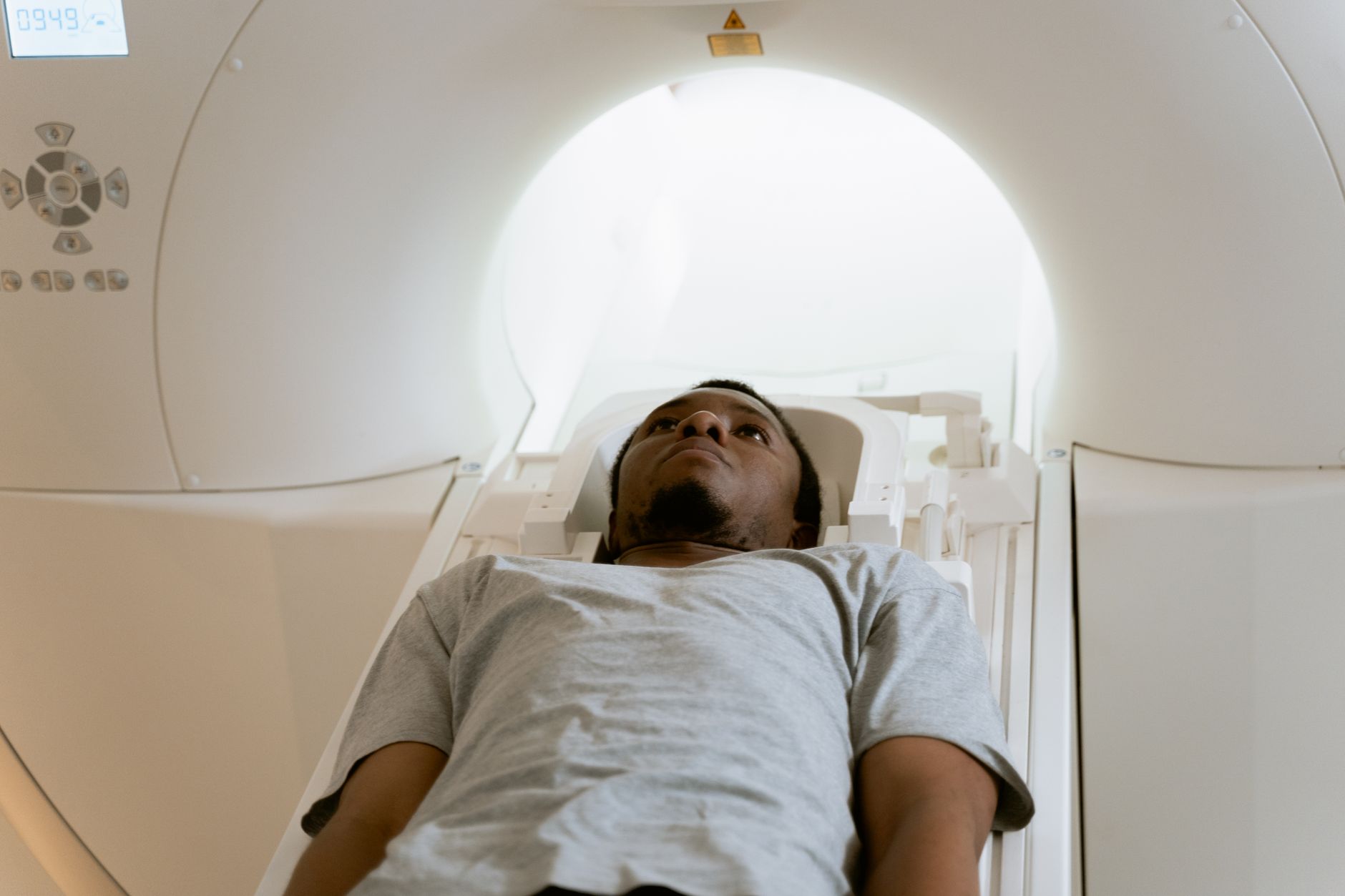
When cognitive test scores are skewed by education, language, or depression, blood biomarkers, PET imaging, functional…
HelpDementia.com has published practical, research-based articles on brain health and aging since 2019. Our editors cover Alzheimer’s disease, vascular dementia, Lewy body dementia, cognitive testing, medications, and family caregiving — informed by the National Institute on Aging, the Alzheimer’s Association, the CDC, and peer-reviewed research.
Explore Our Guides


Latest Articles
Alzheimer’s Trial Recruitment: What a Study Listing Does Not Guarantee
Trial listings don't reveal screening backlogs, funding risks, demographic enrollment gaps, or delayed registry updates that can extend timelines by years.
Dementia and Reading Aloud: Preserving Enjoyment When Comprehension Changes
Reading aloud remains functional in dementia even as comprehension changes; adapted materials and caregiver presence sustain both enjoyment and connection.
Life Story Books for Late-Stage Dementia: Signs of Engagement and Distress
Engagement in late-stage dementia appears through facial expressions and vocalizations during life story work, though research for this population remains sparse.
How to Adapt Doll Therapy for One-on-One Dementia Care
Doll therapy reduces agitation and behavioral symptoms in dementia by activating caregiving responses, with strongest benefits when sessions are daily and adapted to each person's…
Dementia Research News: How to Spot a Mouse Study in a Human Health Headline
Health headlines often hide mouse studies under medical jargon—learn the red flags that expose the gap between animal research and human medical reality.
Alzheimer’s Treatment Decisions When Cognitive Scores Are Unreliable: What Else Can Be Assessed?
When cognitive test scores are skewed by education, language, or depression, blood biomarkers, PET imaging, functional assessment, and alternative tests offer reliable paths to…

Dementia Reminiscence Groups: How to Respect Memories Someone Does Not Want to Discuss
In reminiscence groups for dementia, respecting boundaries around difficult memories—rather than forcing discussion—is core to wellbeing and dignity.

Dementia Assessment History: Why Changes at Home Matter Alongside Test Scores
Home observation of real-world functional decline often reveals early dementia before cognitive test scores change, making family reports essential to diagnosis.

Dementia Care Reviews: How to Check Whether Agreed Goals Were Actually Followed Up
To verify dementia care goal follow-up, examine dated progress notes against the written care plan, confirm a named coordinator oversees tracking, and request evidence of regular…

How Picture Bingo Can Support Engagement in Dementia Care
Picture bingo activates multiple cognitive systems and social connection simultaneously, offering measurable engagement benefits for dementia care.

Do You Need a APOE4 Genetic Test for a Dementia Diagnosis?
APOE4 is genetic risk, not disease; dementia diagnosis relies on cognitive testing, brain imaging, and blood biomarkers that detect actual pathology.
Dementia Tracking Devices: Planning for a Dead Battery or Forgotten Charger
A GPS tracker's dead battery provides zero protection during wandering; plan charging into your daily routine and choose devices with caregiver alerts, not wearer-only warnings.